Concussion Basics
What is a Concussion?
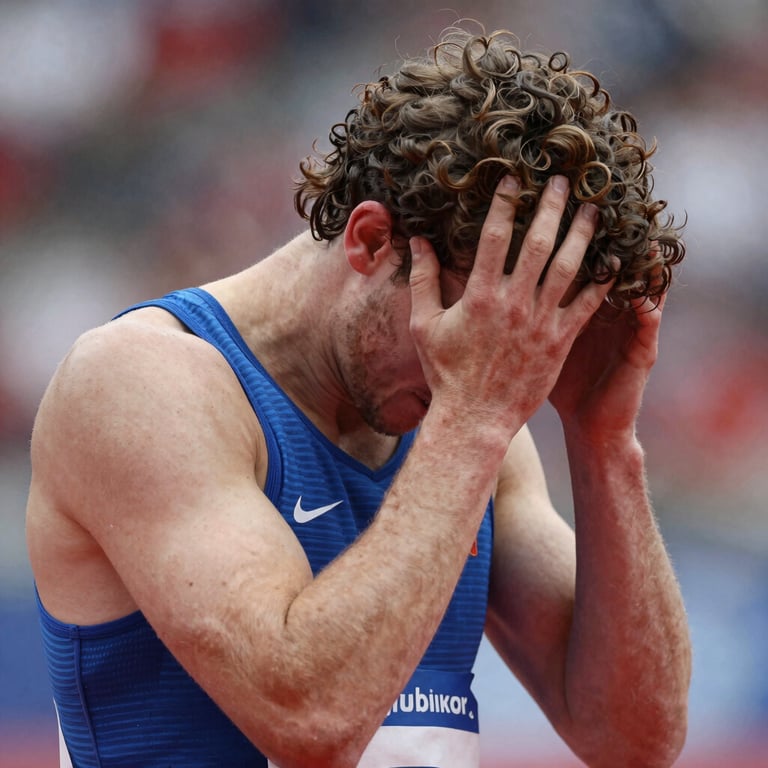
A concussion is a mild traumatic brain injury (mTBI) caused by a bump, blow, or jolt to the head, or a hit to the body forceful enough to make the head and brain move rapidly. The impact triggers a temporary energy crisis in brain cells that disrupts normal function. Because this disruption is metabolic rather than structural, CT scans and MRIs usually look completely normal, which is why concussions are so often missed, dismissed, or under-treated, and why evaluation by a specialist with dedicated concussion training matters.
Concussions happen everywhere, not just in sports: car accidents, falls, workplace injuries, and everyday mishaps account for a large share of the head injuries we treat.
You do not need to lose consciousness to have a concussion most people never do.
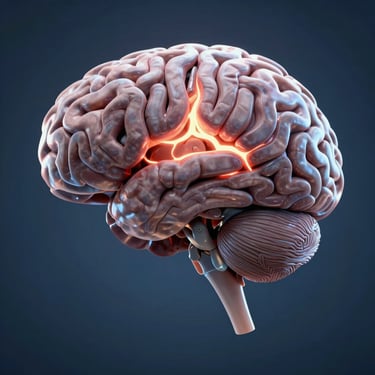


How it may impact you?
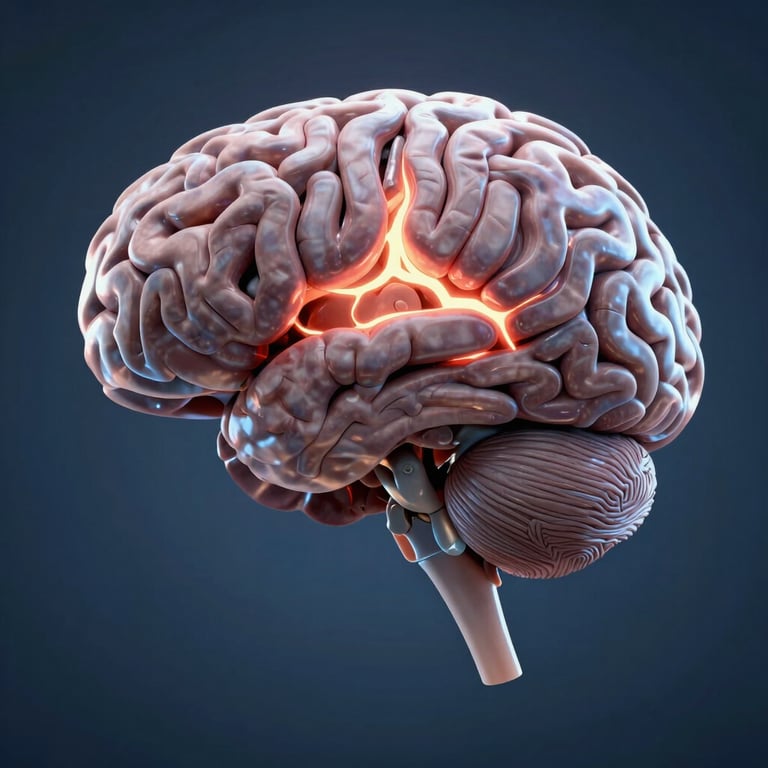
Concussion symptoms vary widely from person to person, and they don’t always appear right away some emerge hours or even days after the injury: Physical: headache or pressure in the head, dizziness, nausea, balance problems, fatigue, sensitivity to light or noise, vision changes. Cognitive: brain fog, trouble concentrating, memory difficulties, feeling mentally “slowed down.” Emotional: irritability, anxiety, feeling overwhelmed, mood changes, sadness. Sleep: trouble falling asleep, sleeping more or less than usual, waking unrefreshed.
When a Head Injury Is an Emergency
Most concussions are not life-threatening, but certain warning signs after a head injury need emergency care, not an appointment. Go to the nearest emergency department or call 911 if the injured person has: a worsening or severe headache, repeated vomiting, one pupil larger than the other, seizures, increasing confusion or unusual behavior, weakness or numbness, slurred speech, loss of consciousness, or can’t be awakened. When in doubt, get emergency evaluation first, specialty concussion care comes after a serious injury has been ruled out.
Most people recover from a concussion within two to four weeks when recovery is managed correctly. Modern concussion medicine has moved far beyond “sit in a dark room and rest”: research from centers including UPMC, where Dr. Patel completed his fellowship, shows that targeted, active treatment matched to your specific symptom profile produces faster and more complete recovery than prolonged rest.
When symptoms last months or years often called post-concussion syndrome, specific treatable factors are usually maintaining them, such as vestibular or visual issues, disrupted sleep, or a migraine pattern set off by the injury. Identifying and treating those drivers is how stalled recoveries get moving again. Dr. Patel provides telehealth evaluations across PSYPACT states, typically within days, if not same day.